Stories and anecdotes of Castel Gandolfo.
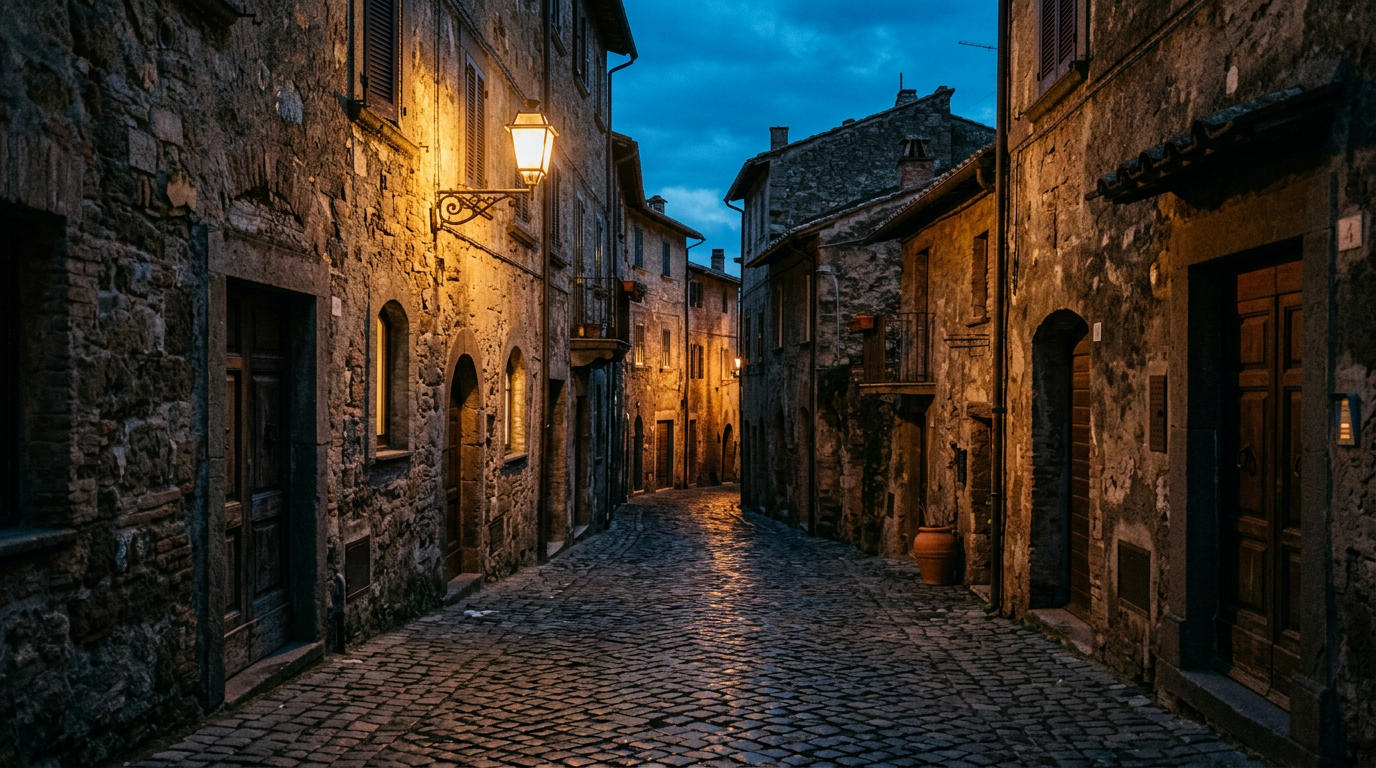
Every place has its legends. Castel Gandolfo has documented ones: episodes that visitors rarely hear about but that explain why, for two thousand years, this hill has mattered more than its size suggests. Stories selected with their sources at a click away.
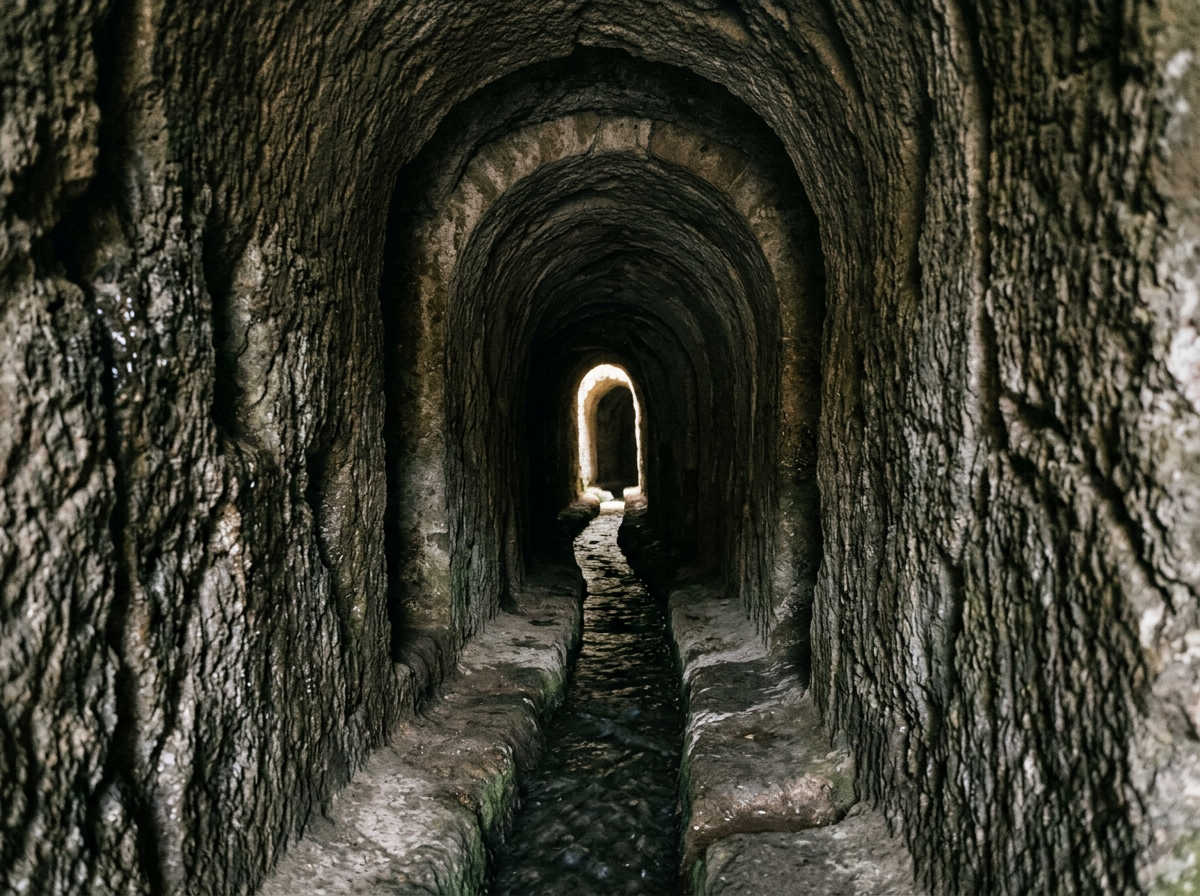
The Roman emissary carved through the tuff.
A 1,450-metre tunnel carved by hand into volcanic tuff to regulate Lake Albano's level, with a millimetric slope precision modern hydraulic engineers still study. It has worked for 2,400 years.
In 398 BC, according to ancient sources, the inhabitants of Alba Longa and the Romans built a feat that still challenges the logic of the resources available at the time: an underground emissary 1,450 metres long carved into the tuff of the crater to regulate the level of Lake Albano. The work was attributed to an oracular inspiration: when the lake water had risen threateningly, the haruspices supposedly indicated that only draining the basin would allow the Romans to conquer Veii. The emissary still works today and is one of the oldest documented underground aqueducts of the ancient world. That it was carved by hand through volcanic tuff for a kilometre and a half, with millimetric slope precision, remains a feat that modern hydraulic engineers still study ([Parco Castelli Romani](https://www.parcocastelliromani.it/)).
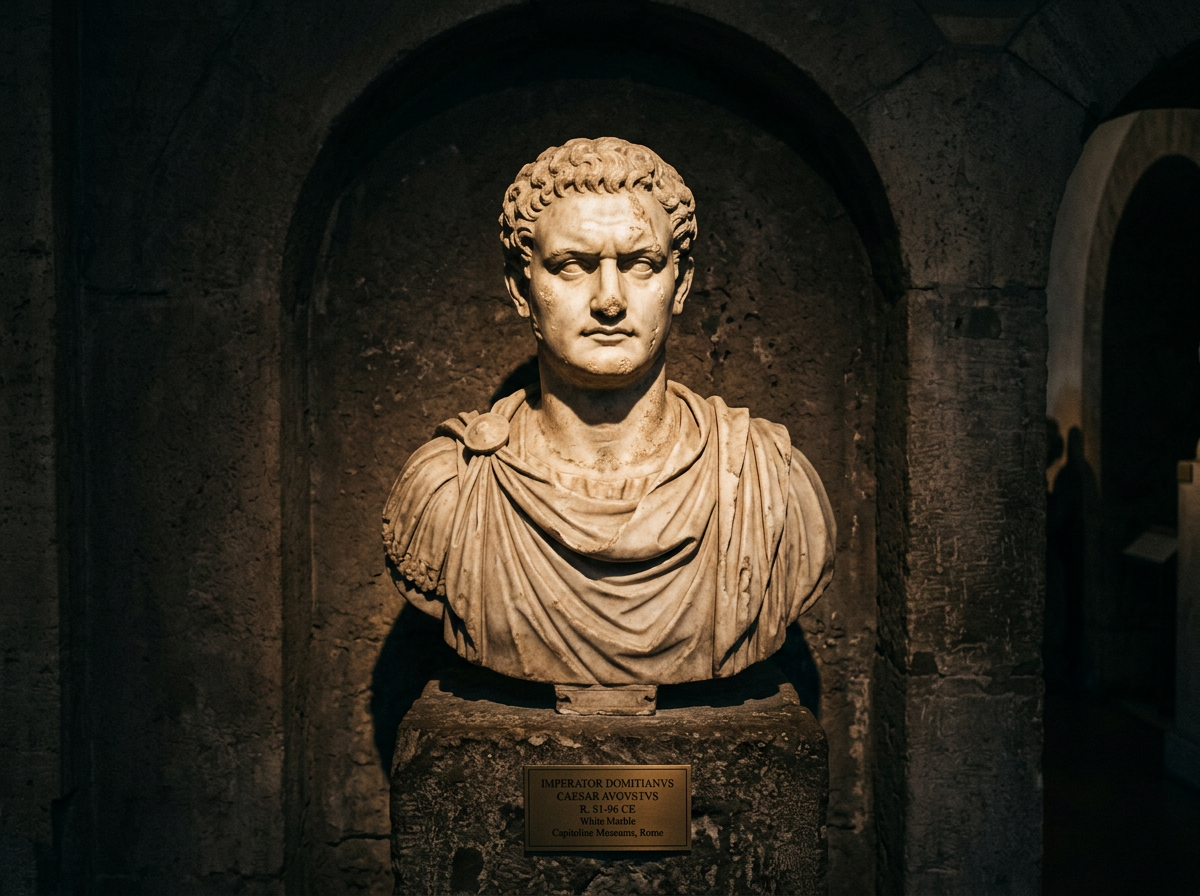
Domitian, the "bald Nero".
The poet Juvenal gave him the nickname. The emperor stayed so often at Castel Gandolfo that he had the walls of his bedroom lined with Parian marble slabs so no one could catch him by surprise.
Emperor Domitian stayed at his Castel Gandolfo residence so often that the poet Juvenal nicknamed him the "bald Nero". The villa was equipped even for winter: three-hundred-metre covered cryptoporticoes for imperial walks, a theatre, a hippodrome, and lavish nymphaea overlooking the lake. At the height of his political paranoia, the emperor allegedly had the walls of his bedroom lined with Parian marble slabs so that anyone approaching would be reflected as in a mirror: no one could catch him by surprise. Domitian was assassinated in 96 AD in a palace conspiracy that reportedly involved his own wife ([Papal Villas](https://www.villepontificie.va/it/cenni-storici/castel-gandolfo)).
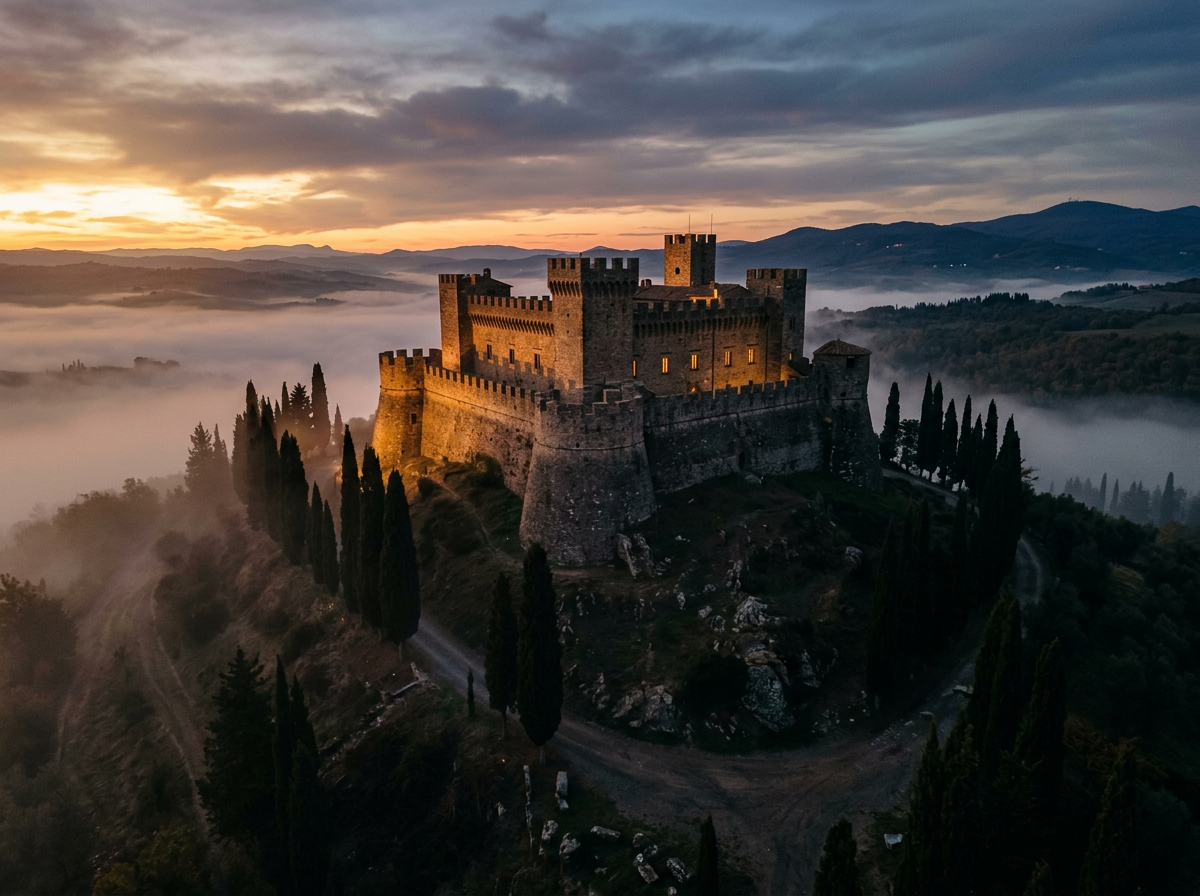
Three centuries of feudal subjection.
The Gandolfi fortress passes to the Savelli, who hold it for almost three centuries. In 1596 the Apostolic Chamber seizes the fief for a 150,000-scudi debt: from then on, for four hundred years, it will be the summer residence of the Popes.
Around 1200, the Genoese Gandolfi family built the castle from which the village took its name. In 1221 the fortress passed to the Savelli, who held it for almost three centuries with mixed fortunes: in 1436 cardinal Vitelleschi stormed and destroyed it; in 1482 Sixtus IV briefly took it and assigned it to Velletri; in 1486 it returned to the Savelli; between 1585 and 1590 Sixtus V elevated it to a duchy for Bernardino Savelli. But in July 1596, the Apostolic Chamber seized the fief because the Savelli had failed to honour a debt of 150,000 scudi. In 1604 Clement VIII declared it inalienable property of the Holy See. A fief lost over a debt, which became for four hundred years the summer residence of the Popes ([Wikipedia — Castel Gandolfo](https://it.wikipedia.org/wiki/Castel_Gandolfo)).
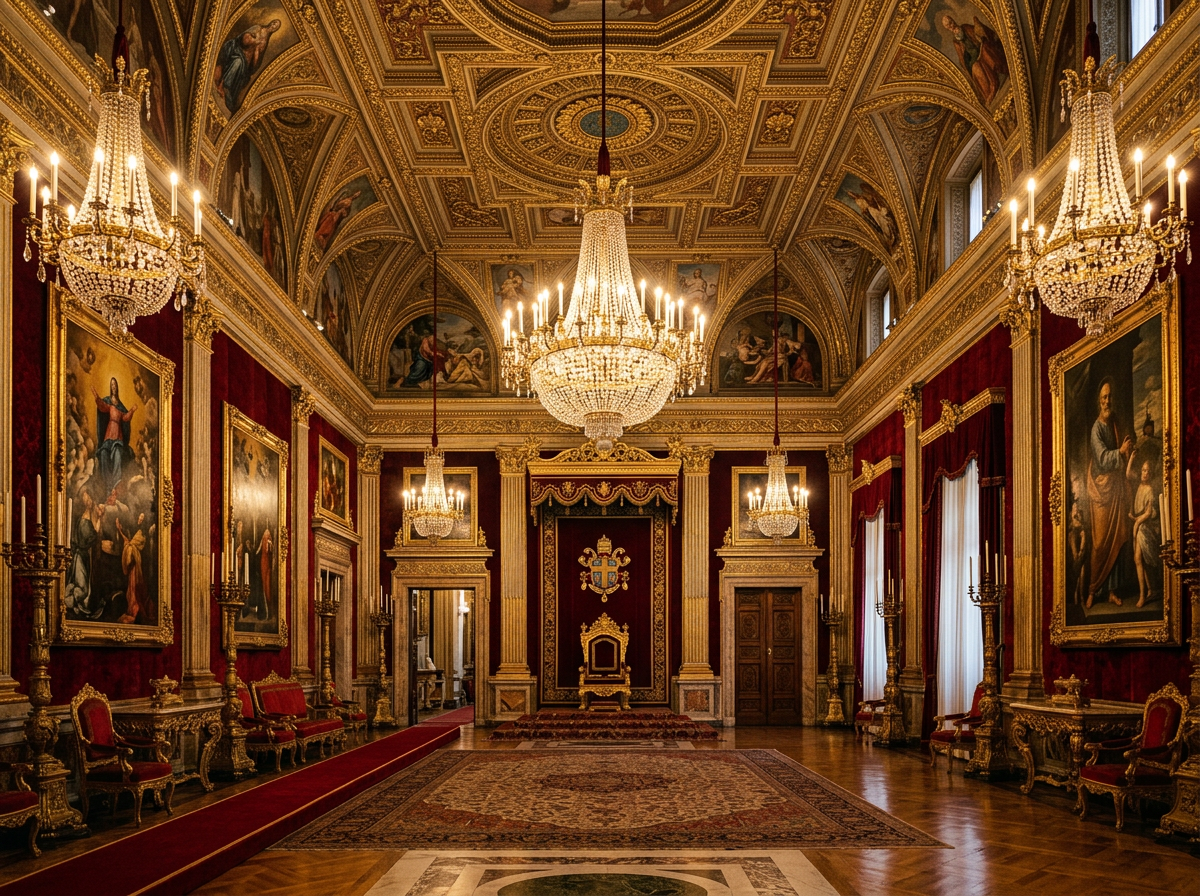
Urban VIII, the first Pope on holiday.
Urban VIII Barberini arrives at Castel Gandolfo in 1626: from that day, for nearly four hundred years, the Pontiffs will spend their summers here. One of the most stable continuities in modern European history.
In the spring of 1626, Urban VIII Barberini arrived in Castel Gandolfo for the first papal summer residency in history. He had loved these places since his cardinal years and had commissioned Carlo Maderno to enlarge the palace. From that day, 400 years ago, and until 2013 — except for the sixty years after the fall of the Papal States in 1870 — the Pontiffs have spent their summers here. Urban VIII established a habit that would become tradition: papal summers in Castel Gandolfo have been one of the most stable continuities of modern European history ([Papal Villas](https://www.villepontificie.va/it/cenni-storici/castel-gandolfo)).
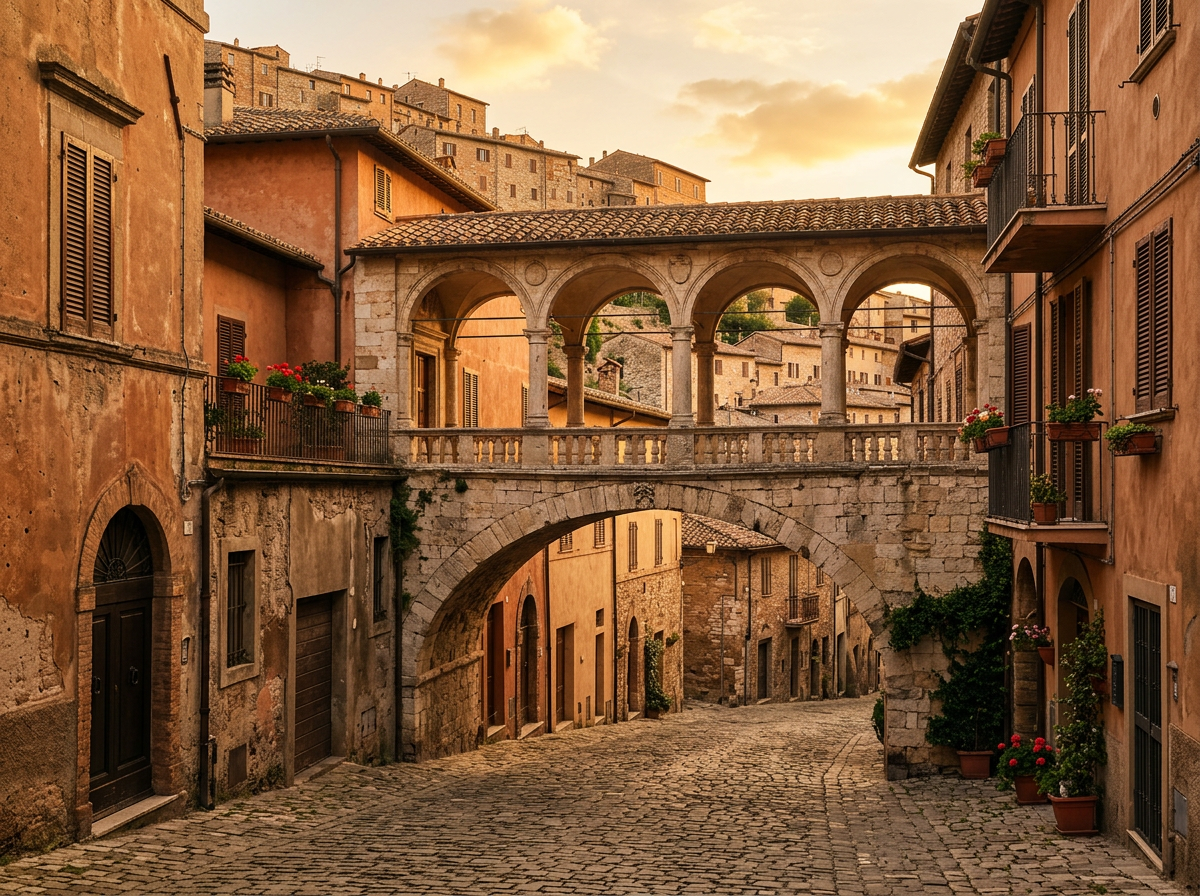
The flyover that never was.
Cardinal Camillo Cybo plans a bridge at piano nobile level to link palace and garden. He dies in 1743 with the design on paper. The loggia will be built only after 1929, over two hundred years later.
In 1717, cardinal Camillo Cybo bought the palace that would become Villa Cybo, and opposite it bought a three-hectare plot to lay out a garden with marbles, statues and fountains. But between palace and garden ran the public road — the Galleria di sotto — and the cardinal planned to connect them with a flyover at the piano nobile level. He never had the time or the money to build it, and he died in 1743 with the design on paper. The bridge was built only after 1929, over two hundred years later: the loggia that today connects Villa Cybo to the Papal Palace passes over the ancient Roman gate. A design left on hold for two centuries, then executed almost exactly as it had been imagined ([Papal Villas](https://www.villepontificie.va/it/cenni-storici/castel-gandolfo)).
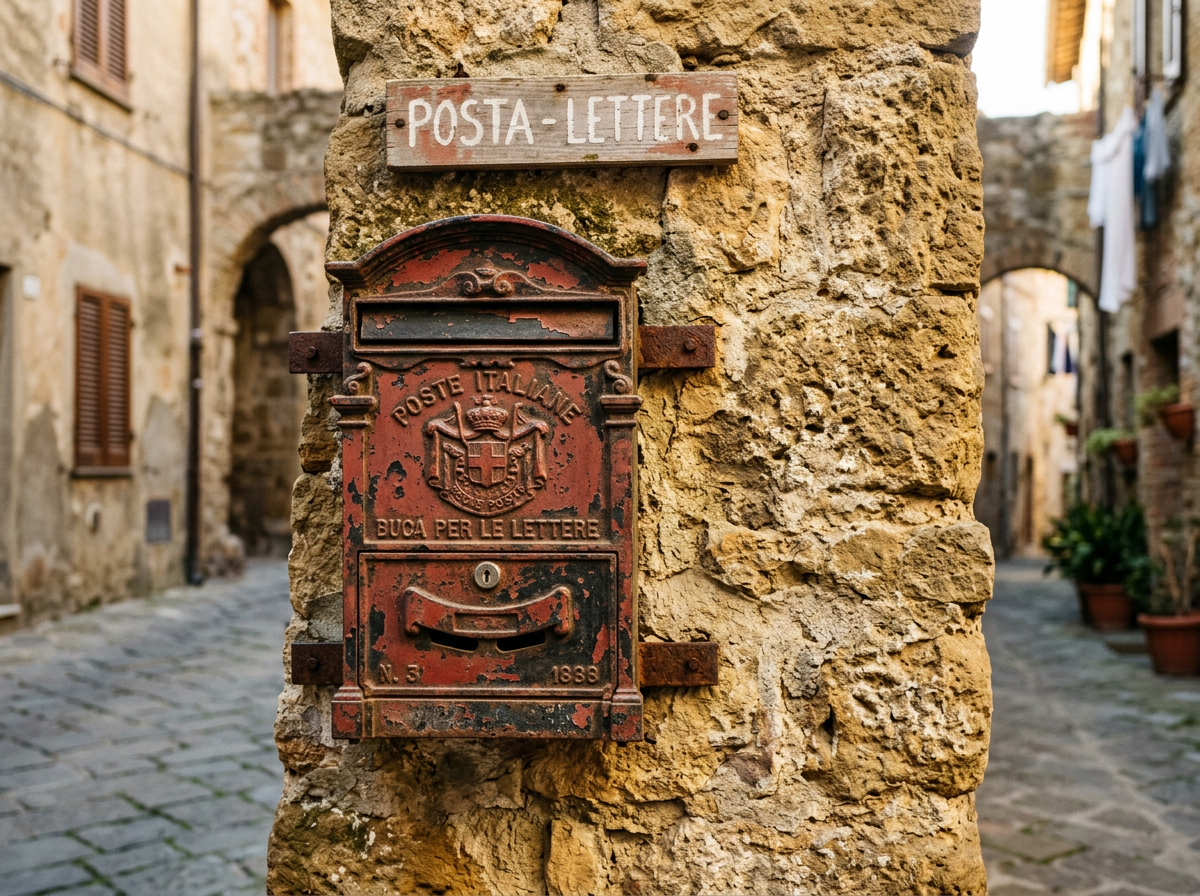
The first mailbox in the world?
Town councillor Angelo Antonio Iacorossi promoted the installation in Piazza della Libertà of what local tradition identifies as the first mailbox in the world. It is still preserved today.
On 23 November 1820, town councillor Angelo Antonio Iacorossi promoted the installation in Piazza della Libertà of what local tradition identifies as the first mailbox in the world. The box is still preserved. The claim should be taken with due caution — postal history is complex and other cities boast competing firsts — but the town council document is verifiable and the date is certain. A small town claiming a modernity milestone: very Castel Gandolfo ([Wikipedia — Castel Gandolfo](https://it.wikipedia.org/wiki/Castel_Gandolfo)).

The Lateran Pacts and the rejected alternatives.
During the 1929 negotiations the Villa Farnese in Caprarola and the Villa Doria Pamphilj on the Janiculum were also considered. The historic tradition of Castel Gandolfo prevailed.
During the negotiation of the Lateran Pacts in 1929, the Holy See and Italy also examined other destinations for the papal summer residence: the Villa Farnese in Caprarola and the Villa Doria Pamphilj on the Janiculum. In the end, the historic tradition of Castel Gandolfo prevailed. Had the choice gone differently, the papal village would have remained a small Castelli Romani municipality, without the three villas, without the Observatory, without the international centrality it enjoys today ([Papal Villas](https://www.villepontificie.va/it/cenni-storici/castel-gandolfo)).
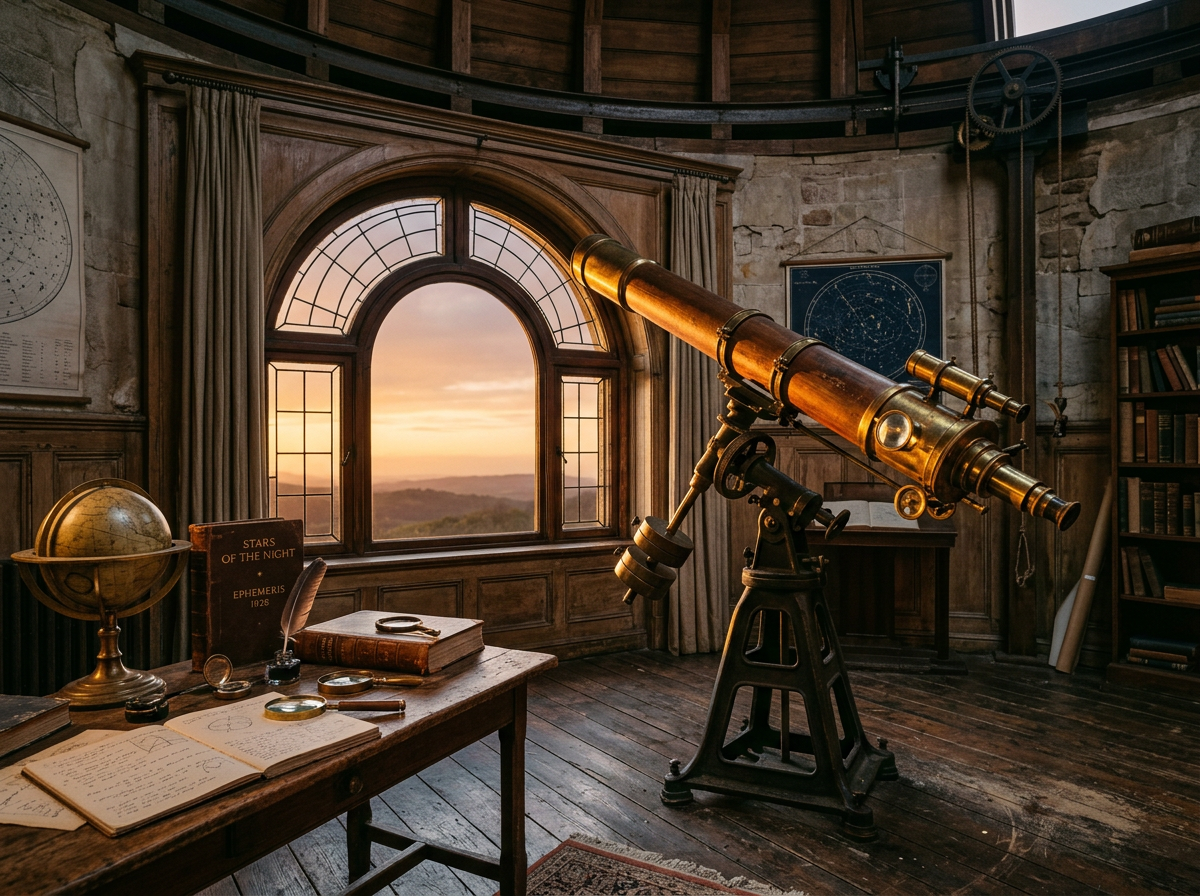
The Observatory fleeing the glare.
In 1934 the Vatican Astronomical Observatory leaves the Vatican for Castel Gandolfo in search of the darkness it needs. Sixty years later, the Specola opens a second site in Arizona: the escape from light pollution continues.
In 1934, the Vatican Astronomical Observatory was moved from the Vatican palaces to Castel Gandolfo. The reason was prosaic: the Rome region's night illumination had made it impossible to observe the celestial vault ([Papal Villas](https://www.villepontificie.va/it/cenni-storici/castel-gandolfo)). Sixty years later, the Castelli Romani sky also became too bright: in 1993, the Specola opened a satellite site at Mount Graham in Arizona, where the Vatican Advanced Technology Telescope operates. One of the world's oldest continuous astronomical observation programmes, run by the Jesuit Fathers, has chased darkness from papal palaces to the American desert ([Vatican Observatory](https://www.vaticanobservatory.va/en/)).
Twelve thousand refugees within papal walls.
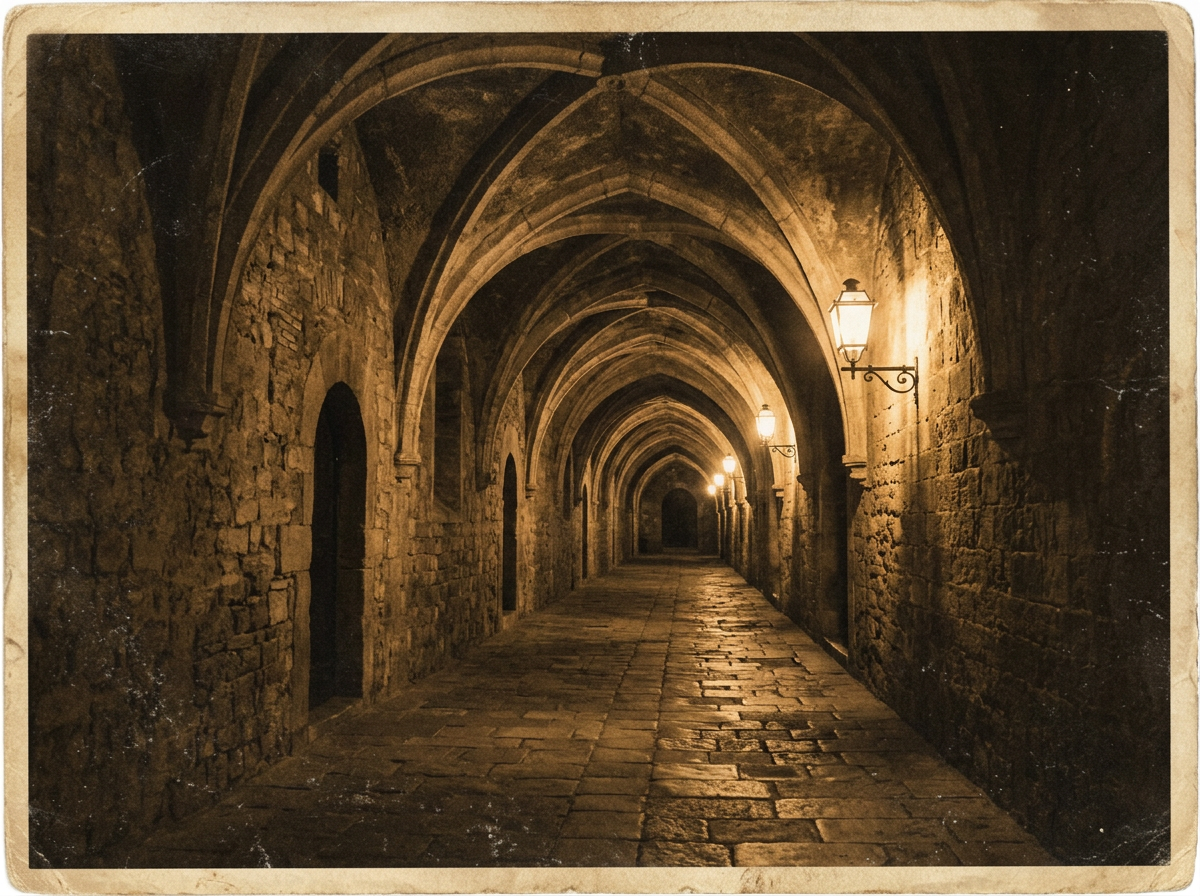
After the Allied landing at Anzio on 22 January 1944, the Castelli Romani found themselves on the front line. On 1 February 1944, Albano Laziale and Ariccia were bombed; on 2 February, Marino; on 10 February, the Propaganda Fide college in the Castel Gandolfo municipal territory was hit by an Anglo-American bombing that caused about 500 civilian casualties. During the conflict, the Papal Villas, protected by extraterritorial status, sheltered around 12,000 displaced persons from the Castelli Romani and the Anzio area. Within the papal complex, about forty children were born ([Wikipedia — Castel Gandolfo](https://it.wikipedia.org/wiki/Castel_Gandolfo)). A summer palace turned into hospital, dormitory, delivery room: one of the least-told pages of Castel Gandolfo's history, and perhaps the most human.
The death of Paul VI at 9:40 pm.
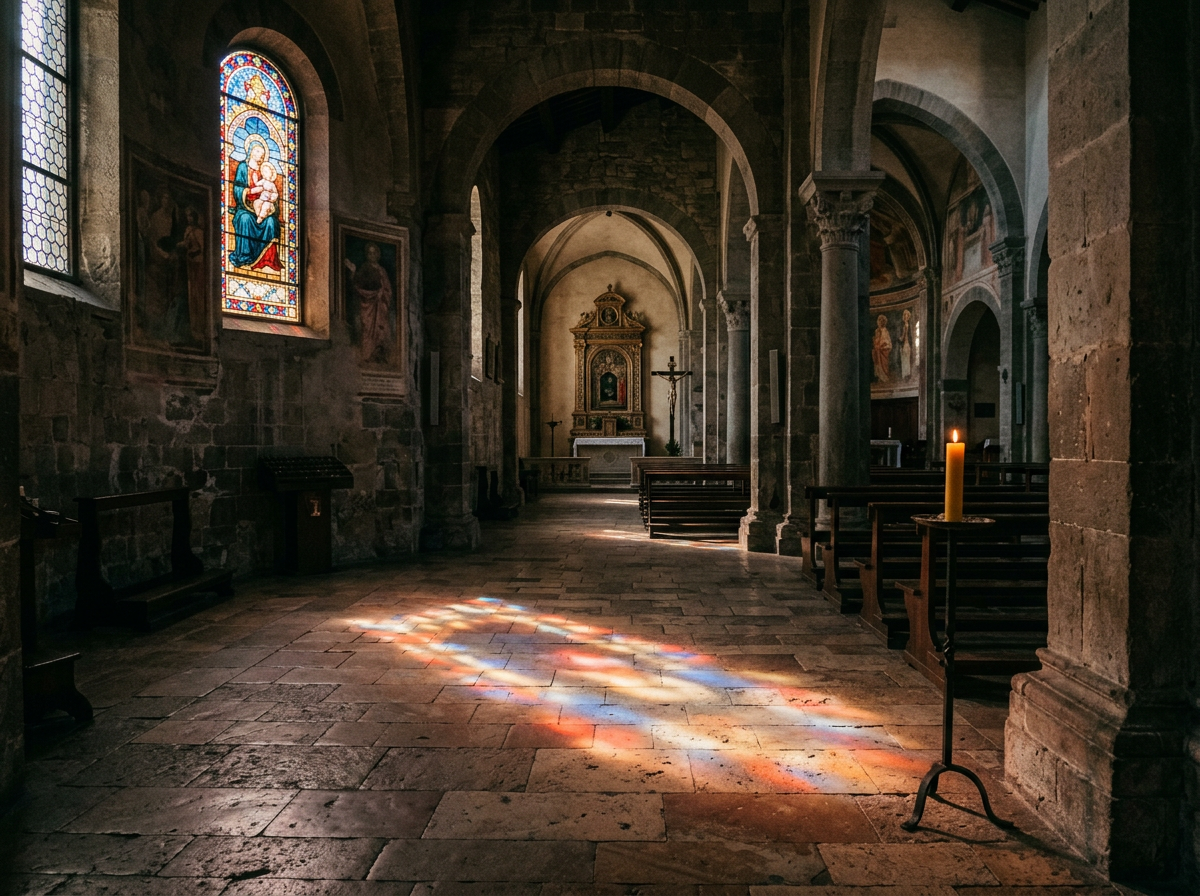
Paul VI died at Castel Gandolfo, in the place he had chosen and loved. He had wanted the Church of the Madonna del Lago, which he consecrated himself the year before. Sober will, low bier, no pomp.
On 6 August 1978, at 9:40 pm, Paul VI died at the Castel Gandolfo residence of a pulmonary edema. He had written his will thirteen years earlier, on 30 June 1965, and in it he had asked for a modest funeral: his body was exhibited at Saint Peter's not on a high catafalque per centuries-old tradition, but on a low bier, without pomp. Paul VI had deeply loved Castel Gandolfo: he had wanted the Church of the Madonna del Lago, which he consecrated himself in 1977, and for the 1975 Holy Year he had built an audience hall in the Villa Cybo area. He died in the place he had chosen ([Castelli Notizie](https://www.castellinotizie.it/2022/08/06/44-anni-fa-moriva-a-castel-gandolfo-papa-paolo-vi-il-pontefice-che-amava-i-castelli-romani/)).
The last flight of Benedict XVI.
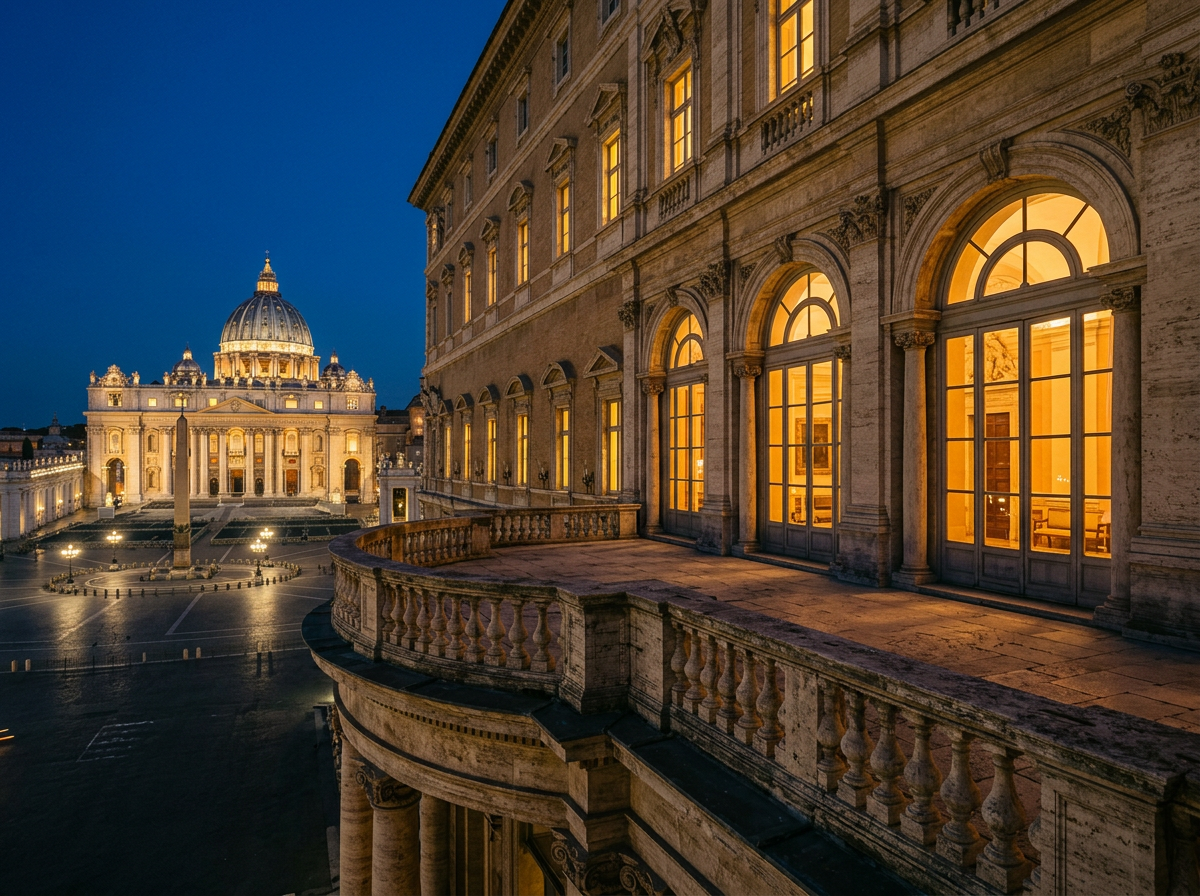
At 5:07 pm a white helicopter took off from the Vatican gardens carrying Benedict XVI to Castel Gandolfo. At 8:00 pm the See was declared vacant. The Pope stepped onto the balcony for his last public greeting as reigning Pontiff.
On 28 February 2013, at 5:07 pm, a white helicopter took off from the Vatican gardens carrying Benedict XVI to Castel Gandolfo: for the first time in recent history, a Pope was leaving office before death. At 8:00 pm that evening, the See was officially declared vacant; Benedict XVI stepped onto the balcony of the Apostolic Palace for the last public greeting as reigning Pontiff, before a crowd gathered in Piazza della Libertà. He stayed at Castel Gandolfo until 2 May, when he moved to the Mater Ecclesiae monastery in the Vatican. For those two months, the summer residence hosted for the last time a Pope who had chosen it as his own: from that moment, papal summers in Castel Gandolfo were interrupted, and the complex was reconverted into an educational project. They resumed only with Pope Leo XIV in July 2026 ([Vatican News](https://www.vaticannews.va/en.html)).
The Borgo Laudato Si' and the return of Leo XIV.
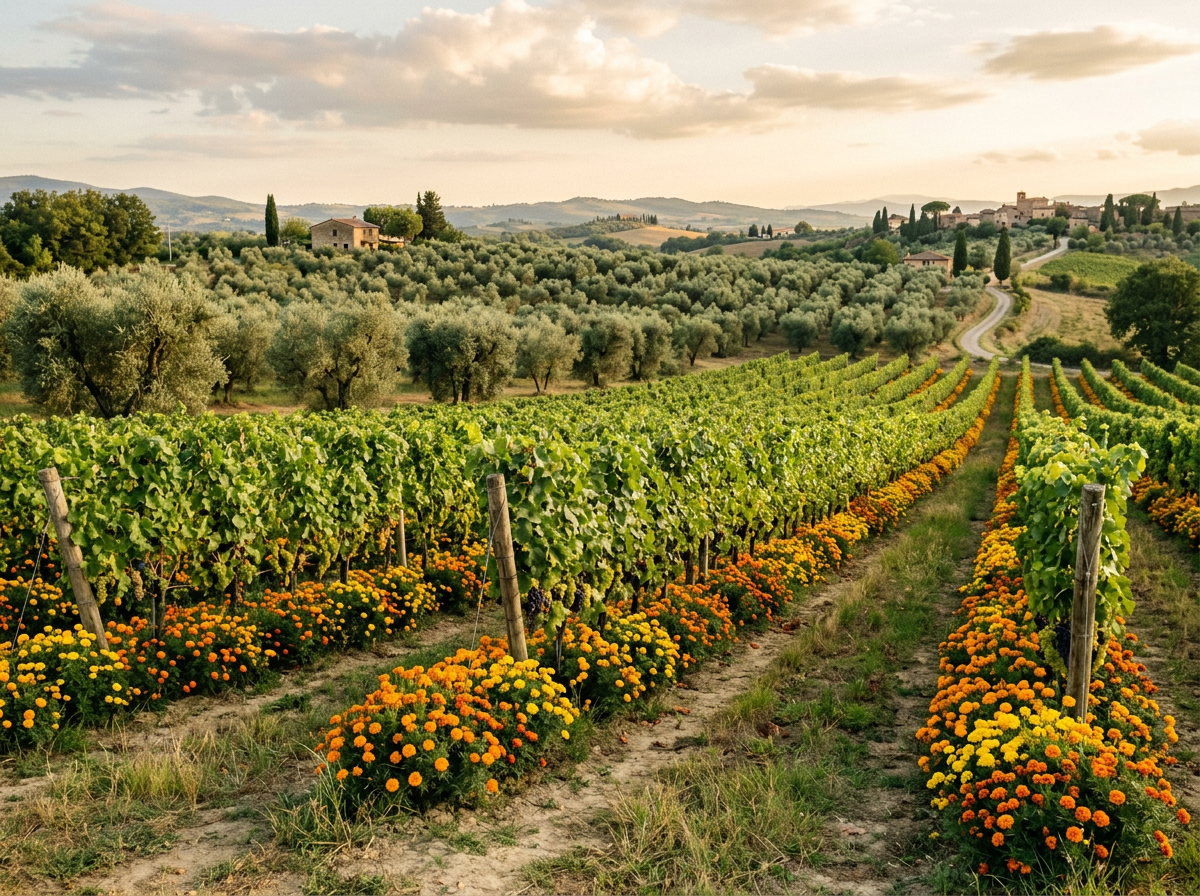
Fifty-five hectares turned into an educational centre for integral ecology in 2023 by Pope Francis. On 5 July 2026 Pope Leo XIV returned to reside at the Palace, restoring the papal summer residence.
In 2023, Pope Francis transformed the fifty-five hectares of the Papal Villas into Borgo Laudato Si', an educational centre dedicated to the integral ecology of his encyclical: organic agriculture, teaching gardens, olive mill, dairy productions, school programmes ([Borgo Laudato Si'](https://borgolaudatosi.va/it/)). Francis had never used Castel Gandolfo as a summer residence, preferring Santa Marta in the Vatican. On 5 July 2026, Pope Leo XIV restored the tradition, returning to reside at the Papal Palace and giving the hill back its papal function. Four hundred years after Urban VIII's first stay, another Pope walks the same steps on the same terrace overlooking the lake. It's never just history: it's visible continuity.
A small papal village with a castle lost over a debt, an 1820 mailbox, twelve thousand refugees saved beneath its vaults, and two thousand years of stories that never stop being told.
Have a story to share?
If you know a verified episode that should be told here, write to info@castelgandolfo.eu. Every contribution with a verifiable source is welcome.